Tripod pricing spans an enormous range — you can spend $25 or $250 and both will technically “hold a camera up.” The real differences show up in stability during wind or on uneven ground, how smoothly the head pans and tilts, and how long the legs survive being thrown in a car trunk every week. None of that shows up in a product photo, which is exactly why so many creators buy the wrong tripod for their actual needs. Here’s a genuine budget pick and a genuine premium pick, so you know exactly what the extra money buys before you spend it.
Before comparing specific models, it helps to know what actually separates cheap and expensive tripods mechanically. Leg-lock mechanisms are the first point of failure — budget twist-locks and clips tend to loosen with repeated use, while premium locks hold tension reliably for years. Head movement is the second differentiator: a budget ball head either locks rigid or flops loose, while a premium head offers adjustable friction for smooth, controlled pans. Material matters too, mostly for weight and vibration resistance rather than raw strength.
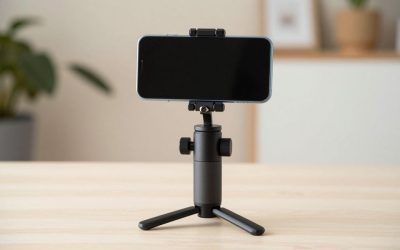
UBeesize 67-Inch Phone Tripod (Budget Pick)
This is the tripod most new creators buy first, and for good reason: it extends to a reasonable height, comes with a phone clamp and a small Bluetooth remote, and costs less than a nice dinner out. It’s made of lightweight aluminum rather than anything particularly rugged, but for desk setups, indoor filming, and the occasional outdoor shoot on calm days, it does the job without complaint.
Pros: very affordable, includes phone mount and remote shutter, easy to carry. Cons: legs can wobble in wind or on soft ground; build quality won’t survive years of rough handling.
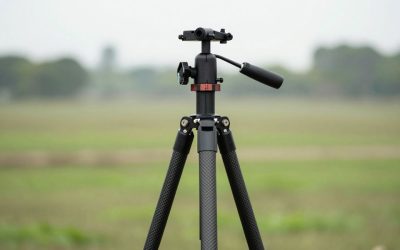
Manfrotto Befree Advanced Carbon Fiber Tripod (Premium Pick)
Manfrotto’s Befree Advanced line is what working photographers and video shooters actually carry on paid jobs. The carbon fiber legs cut weight dramatically versus aluminum while staying rock-solid even in moderate wind, the twist-lock leg mechanism opens and closes in seconds, and the ball head has enough friction control to make smooth manual pans — something budget heads simply can’t do.
Pros: genuinely stable in rough conditions, excellent build quality, smooth professional-grade head movement. Cons: costs roughly ten times the budget option, which is hard to justify for casual or occasional use.
Who should buy which: if you’re filming indoors, at a desk, or just starting to figure out whether content creation is something you’ll stick with, the budget pick is the right call — there’s no reason to spend premium money before you know your workflow, and most of a budget tripod’s weaknesses never surface in a controlled indoor environment. If you’re shooting outdoors regularly, traveling with your gear, or your tripod is now a business tool rather than a hobby accessory, the Befree Advanced pays for itself in reliability and will likely outlast three budget tripods bought one after another.
There’s also a practical cost-of-failure argument worth considering: a budget tripod that fails mid-shoot on a casual home video is a minor annoyance, but the same failure during a paid client shoot or a once-in-a-lifetime travel moment is a real financial or creative loss. Weigh how much a ruined shoot would actually cost you before deciding which end of the price range makes sense.
FAQ
Will a budget tripod actually break, or is that an exaggeration?
Leg locks and head-tilt mechanisms are usually the first parts to loosen or strip on budget tripods after regular use — the camera itself rarely falls, but the tripod stops holding position reliably over time, drifting slowly during a long shot.
Is carbon fiber worth the premium over aluminum?
Mainly for weight and vibration dampening — if you’re carrying the tripod daily or shooting video where micro-vibrations show up on screen, carbon fiber is noticeably better; for occasional home use, aluminum is fine and the difference is barely noticeable.
Is there a reasonable middle ground between these two?
Yes — most tripod brands offer a mid-tier aluminum version of their premium line that keeps the better head and leg-lock mechanism while skipping the carbon fiber, usually at roughly half the premium price.
How much does tripod weight actually matter in daily use?
More than most beginners expect — a tripod that feels fine lifted once in a store can become genuinely annoying to carry on a multi-hour shoot or a travel day, which is part of why premium tripods invest so heavily in lightweight materials.
Does the maximum height of a tripod matter as much as its stability?
Both matter, but stability affects every single shot while maximum height only matters occasionally — a shorter, rock-solid tripod is generally a better everyday choice than a taller one that wobbles at full extension.
Write Your Review
No reviews yet. Be the first to share your experience!