Buying a camera is the easy part of starting a vlogging channel — it’s the small supporting gear that actually determines whether your first few weeks of filming go smoothly or turn into a string of avoidable frustrations. This is the short list of starter accessories worth buying before you ever press record, chosen specifically because each one prevents a common and completely avoidable mistake.
Most first-time vloggers learn these lessons the hard way: a corrupted card mid-shoot, a dusty lens ruining an otherwise great take, a dead battery with the best light of the day fading fast. Buying ahead of those problems, rather than reacting after they’ve already cost you footage, is the entire point of a starter kit like this one.
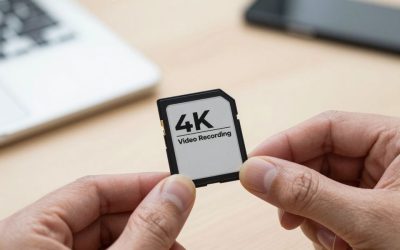
SanDisk Extreme PRO SD Card
Nothing derails a first shoot faster than a memory card error mid-recording, or discovering your card is too slow to actually write 4K footage without dropped frames. The Extreme PRO line is rated for sustained high-bitrate video recording, which matters more than raw storage size for most new vloggers.
Pros: reliable sustained write speeds for 4K video, trusted brand with low failure rates, reasonable price for the performance. Cons: make sure you buy the correct card format (SD vs microSD) for your specific camera before ordering.
K&F Concept Lens Cleaning Kit
A smudged or dusty lens is an incredibly common and completely invisible-until-you-see-the-footage mistake first-time vloggers make. A basic cleaning kit with a blower, microfiber cloths, and cleaning solution takes thirty seconds to use before each shoot and prevents hazy, low-contrast footage that’s annoying to fix after the fact.
Pros: cheap, prevents a genuinely common and avoidable quality problem, lasts a long time with proper use. Cons: easy to forget to actually use consistently — it only helps if it becomes part of your pre-shoot routine.
Anker Portable Power Bank
Phones and cameras both drain fast when actively recording video, and nothing ends a shoot faster than a dead battery with no backup. A reliable portable power bank from a trusted brand like Anker means you can keep filming through a long day without planning your whole shoot around outlet access.
Pros: keeps filming sessions from being cut short, useful well beyond just vlogging, widely compatible with USB-C devices. Cons: adds extra weight to your bag, easy to forget to recharge it between uses.
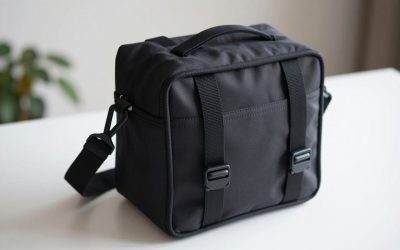
Protective Camera Case or Pouch
A padded case or simple protective pouch is an easy thing to skip when you’re excited to start filming, but it’s cheap insurance against the scratches, dust, and drops that happen constantly during the learning phase of figuring out how to actually handle your gear on the move.
Pros: inexpensive protection against common early-days accidents, keeps gear organized in a bag, widely available for most camera sizes. Cons: adds a small amount of bulk when packing light.
UBeesize Mini Tripod with Phone Clip
Alongside storage, cleaning, power, and protection, basic stability rounds out a genuinely complete starter kit. Shaky, hand-held footage is one of the most common and most fixable beginner mistakes, and a small, inexpensive tripod with a phone clip solves it instantly for anyone filming on a phone or lightweight camera, without needing to learn any new technique.
Pros: immediate improvement to footage stability, compact enough to carry everywhere, works with phones and small action cameras. Cons: limited height and can’t support a heavier mirrorless camera with a large lens attached.
It’s worth building this kit in a sensible order rather than buying everything on day one. Start with the memory card and cleaning kit, since they protect footage you can’t re-shoot if something goes wrong. Add the tripod next, since stability is a fast, visible improvement with zero learning curve. The power bank and protective case matter most once you start filming outside your home regularly, so they’re reasonable to delay slightly if your budget is tight in the first week or two.
Buying tips: resist the urge to buy every accessory you see recommended online before you’ve filmed anything — start with this short list, figure out what you actually use often, and only then invest in more specialized gear for your specific niche. It’s also worth buying a second memory card early rather than later; having a spare on hand the first time your main card fills up mid-shoot avoids losing an afternoon of filming to a trip back to the store.
FAQ
Do I really need all four of these on day one?
The memory card and cleaning kit matter immediately; the power bank and case matter more once you start filming outside your home regularly, so they’re reasonable to buy slightly later if budget is tight.
Can I use a generic off-brand memory card to save money?
It’s risky — off-brand cards have a higher failure rate and slower real-world write speeds than their packaging claims, which is exactly where you don’t want to cut corners on footage you can’t re-shoot.
How often should I actually clean my lens?
A quick check and clean before any important shoot is enough for most people; a lens stored in a case between uses rarely needs cleaning more often than that.
Is it worth buying a dedicated camera bag before I know my niche?
Not necessarily right away — a simple protective case or pouch covers the basics early on, and a more specialized bag is easier to choose correctly once you know how and where you actually film.
Do I need a full-size tripod, or is a mini tripod enough to start?
A mini tripod is enough for most beginners filming on a phone or lightweight camera; a full-size tripod becomes more useful once you’re using a heavier mirrorless setup or need more height for specific shots.
What should I buy first if I can only afford one item right now?
The memory card, since corrupted or dropped footage from an unreliable card can’t be recovered — everything else on this list protects or improves footage you’ve already successfully captured.

Write Your Review
No reviews yet. Be the first to share your experience!