Handheld vlogging has a specific problem that a regular camera doesn’t solve well: walking while filming produces shaky, nauseating footage unless something is actively stabilizing the image. That’s why gimbal cameras have taken over this category — rather than bolting a phone or camera onto a separate handheld gimbal rig, these are self-contained cameras with mechanical stabilization built directly into the body.
When comparing handheld vlogging cameras, the gimbal-based options (built-in 3-axis stabilization) will almost always produce smoother walking footage than a non-stabilized compact camera relying only on digital/electronic stabilization. Sensor size also matters more than most buyers expect — a larger 1-inch sensor handles low light and background blur noticeably better than the smaller sensors in traditional action cameras.
Battery life and heat management are also worth checking before buying, since handheld gimbal cameras are small enough that both can be more limited than a traditional camera body. Shooting 4K at high frame rates for extended periods can shorten real-world battery life noticeably compared to the manufacturer’s rated numbers, so if you plan to film long, continuous sessions, carrying a spare battery or power bank is a reasonable precaution regardless of which camera you choose.
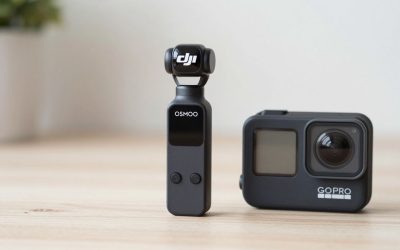
DJI Osmo Pocket 3
The camera that essentially defined this category. It pairs a 1-inch CMOS sensor and f/2.0 lens with a genuine mechanical 3-axis gimbal, producing buttery-smooth footage with zero rigging required. It shoots 4K at up to 120fps, records 10-bit D-Log M for more flexible color grading, and supports DJI’s wireless mic line directly. It’s listed as an Amazon’s Choice overall pick, and price drops have brought it as low as $439 at times.
Sony ZV-E10 II
For vloggers who want interchangeable lenses rather than a fixed gimbal-camera lens, the ZV-E10 II is the top pick. Its included directional microphone is a significant upgrade over typical built-in mics, and it adds a 3.5mm input for pairing with an external mic like a DJI Mic Mini when you need even better audio.
Sony ZV-1 II
A compact, fixed-lens alternative to the ZV-E10 II with a solid built-in stereo mic, a 3.5mm external mic input, and a fully articulating screen that flips forward for easy self-monitoring while vlogging. It’s a strong choice for creators who want Sony’s color science and autofocus without managing separate lenses.
Canon PowerShot V10
Canon’s answer to the fixed-lens vertical/handheld vlogging category, designed for simple shooting with reliable image quality in a genuinely vlog-friendly form factor. It’s built to be held and operated one-handed, which matters more than it sounds like when you’re filming yourself while walking and talking.
GoPro HERO11 Black
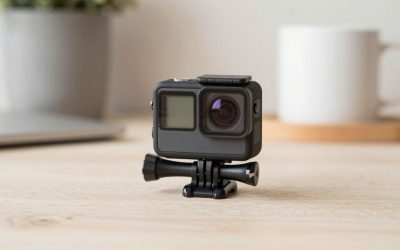
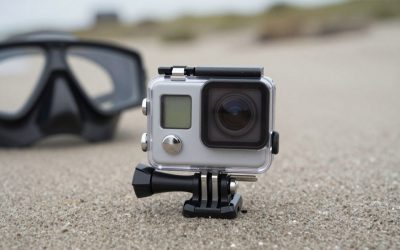
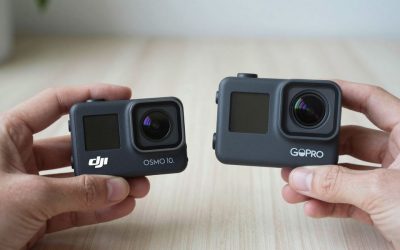
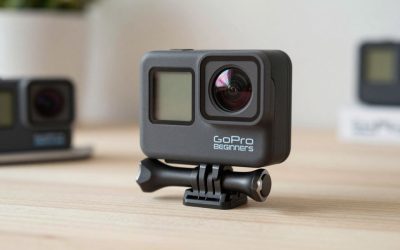
Marketed as an action camera, but secretly one of the better vlogging tools under $500 thanks to HyperSmooth 5.0 stabilization that rivals mechanical gimbals in many situations, especially for rougher activities like hiking or cycling where a gimbal camera’s moving parts are more vulnerable. It’s the pick for vloggers whose content skews more active/adventure than lifestyle.
Panasonic Lumix G100D
The Lumix G100D updates Panasonic’s vlogging-focused G100 with a built-in tracking function and a directional mic system co-developed with Nokia OZO Audio, specifically tuned to follow your voice as you move. For handheld vloggers who talk while walking, that built-in audio tracking is a genuinely useful feature most competitors in this price range do not offer.
Insta360 Ace Pro 2
Though marketed primarily as an action camera, the Insta360 Ace Pro 2’s flip screen, strong stabilization, and co-engineered Leica optics make it a legitimate handheld vlogging option for creators who also want ruggedness for outdoor content. It bridges the gap between dedicated handheld vlogging cameras and action cameras for buyers who do not want two separate devices.
Battery life is worth checking against your actual filming style rather than the headline number on the box. Compact handheld vlogging cameras generally run 60-90 minutes of continuous 4K recording before needing a battery swap or charge, which is fine for most short-form content but worth planning around for longer single-take shoots like event coverage or long-form vlogs.
For smooth, cinematic handheld footage with the least effort, the DJI Osmo Pocket 3’s gimbal design is hard to beat. If you want interchangeable lenses and more creative control, step up to the Sony ZV-E10 II. And if your vlogging involves rougher outdoor activity, the GoPro HERO11 Black’s digital stabilization and rugged build are the more practical choice.
Whichever camera you pick, budget for a larger and faster memory card than you think you need. 4K footage at high frame rates and bitrates fills storage quickly, and a card that’s too slow can cause dropped frames or recording stops mid-clip — a frustrating failure mode that has nothing to do with the camera itself but ruins footage all the same.
FAQ
Do handheld vlogging cameras need a separate gimbal for smooth footage?
Most include electronic stabilization that handles walking and light movement well on their own, but a dedicated gimbal still produces smoother results for running, cycling, or other high-motion shooting if that is a regular part of your content.
Is a handheld vlogging camera better than a smartphone for most new creators?
For creators already comfortable filming on a phone, a dedicated camera mainly pays off through better low-light performance, a flip screen designed for selfie-style framing, and an external mic input — if none of those are pain points yet, upgrading can wait.

Write Your Review
No reviews yet. Be the first to share your experience!