Key takeaways
- IPX8 rated to roughly 15m / 49ft without a case
- 360-degree capture lets you reframe shots after the dive
- Companion app handles underwater color correction
Underwater shooting has its own requirements beyond a camera simply being “waterproof” — native depth rating, color accuracy underwater, and housing options for deeper dives all matter more than they do on land.
Top Picks
Insta360 X5
The deepest native waterproof rating among the cameras covered here, making it a strong snorkeling and shallow-diving option without any add-on housing.
- IPX8 rated to roughly 15m / 49ft without a case
- 360-degree capture lets you reframe shots after the dive
- Companion app handles underwater color correction
Pros: No housing needed for most snorkeling and shallow diving; 360 capture is forgiving if you can’t frame the shot perfectly underwater; App-based color correction helps offset underwater color loss.
Cons: 360 footage needs reframing afterward; Deeper dives beyond its rated depth still require a dedicated housing.
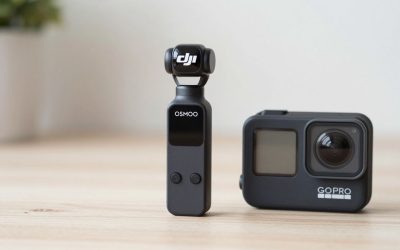
DJI Osmo Action 6
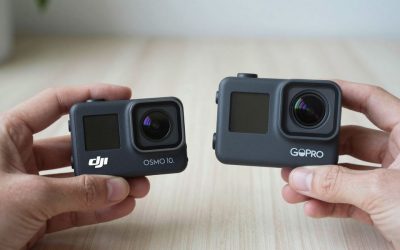
DJI’s current flagship also offers deep native waterproofing, making it a strong fixed-lens alternative to a 360 camera for underwater use.
- Waterproof to roughly 20m / 65ft without a case
- Higher resolution capture than previous DJI generations
- Standard flat (non-360) footage, no reframing step needed
Pros: Deepest native waterproof rating of the fixed-lens options here; No post-processing reframing step required like 360 cameras need; Strong low-light/underwater color performance per current reviews.
Cons: Smaller underwater housing/accessory ecosystem than GoPro; Still benefits from a dedicated dive housing for depths beyond its native rating.
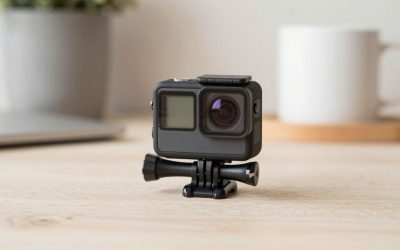
GoPro HERO13 Black + Dive Housing
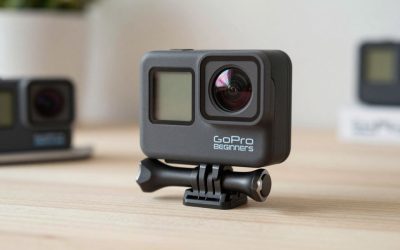
GoPro’s flagship has a shallower native waterproof rating than DJI’s current camera, but its mature housing ecosystem lets it go much deeper with an add-on case.
- Native waterproof to roughly 10m / 33ft without a case
- Dedicated dive housings available rated for much deeper depths
- Modular lens options remain usable with most housings
Pros: Widest range of dedicated dive housings and depth ratings on the market; Modular lens system still works with the right housing; Established ecosystem for underwater filters correcting color at depth.
Cons: Requires buying a separate housing for serious diving beyond snorkeling depth; Added housing increases bulk and cost versus natively deep-rated competitors.
Olympus Tough TG-7
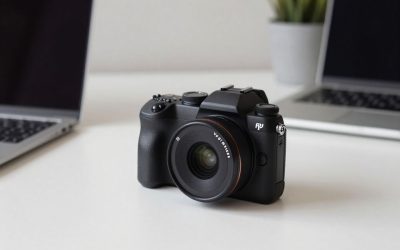
The Olympus (OM System) Tough TG-7 is a dedicated waterproof compact camera rather than an action camera, offering a traditional camera grip, physical zoom lens, and macro-focused modes that make it a strong pick specifically for underwater photography rather than hands-free action footage.
- Waterproof to 15m without a housing
- Physical zoom lens with macro mode
- Built-in GPS and compass
Pros: Traditional camera ergonomics underwater; strong macro performance for close-up marine life; no action-camera housing needed for its rated depth.
Cons: No wide-angle hands-free mounting like true action cameras; lower video resolution ceiling than flagship action cams.
SeaLife Micro 3.0
SeaLife built its entire product line around underwater photography specifically, and the Micro 3.0 is a fully sealed (no removable doors or hatches that can fail) point-and-shoot rated for genuine scuba depths without any aftermarket housing required, unlike action cameras that need an add-on case beyond their native rating.
- Fully sealed design, no removable doors
- Rated for genuine scuba diving depths
- Built-in photo and video modes tuned for underwater use
Pros: No housing needed even at diving depths; sealed design reduces flood risk versus cameras with removable doors; underwater-tuned color modes.
Cons: Not designed for hands-free action-camera mounting; narrower field of view than typical action cameras.
Buying Tips
- For snorkeling and shallow swimming, a natively deep-rated camera (Insta360 X5 or DJI Osmo Action 6) skips the need for a housing entirely.
- For actual scuba diving beyond about 20m, a dedicated housing is still the safer and more common choice regardless of brand.
- Underwater color correction filters (red/magenta tint filters) make a noticeable difference in color accuracy at depth — check if your camera’s ecosystem offers them.
- 360 cameras are forgiving underwater since you can’t always frame a shot precisely while swimming, but they add a reframing step in editing afterward.
- If underwater photography (not just video) is a priority — close-up shots of marine life, for example — a dedicated waterproof compact with a real zoom lens and macro mode often outperforms an action camera’s fixed wide-angle lens for that specific use case. If you dive often enough that gear reliability matters more than convenience, a fully sealed underwater camera with no doors to double-check before every dive reduces a real, common failure point.
Depth rating claims deserve a close read before diving, not just snorkeling. “Waterproof” ratings on action cameras without a housing are usually limited to a few meters, adequate for swimming and snorkeling, while actual scuba diving at depth requires either a camera rated specifically for that depth or an aftermarket dive housing rated beyond the camera’s native limit.
FAQ
Do I need a separate housing if my action camera is already waterproof?
Not for snorkeling or shallow swimming within the camera’s native depth rating, but scuba diving beyond that rating still requires a dedicated housing.
Why do underwater videos look blue or green without a filter?
Water absorbs red light first as depth increases, which is why dedicated red/magenta correction filters are commonly used for more natural-looking underwater color.
Is a 360 camera good for diving?
Yes, particularly because it’s forgiving if you can’t frame the perfect shot while swimming — you reframe the footage afterward instead.
Can I scuba dive with an action camera’s native waterproof rating, or do I need a housing?
Most action cameras’ native waterproof ratings (commonly around 10m/33ft) are fine for snorkeling but fall short of recreational scuba depths — for actual diving beyond that limit, a rated dive housing is necessary regardless of how deep the bare camera claims to go.
Is a sealed design meaningfully safer than a camera with a removable waterproof door?
Yes — most underwater camera floods happen at a door or hatch seal that was not closed properly or degraded over time, so a fully sealed design with no removable access point removes that specific failure risk entirely.
Insta360’s X5 and DJI’s Osmo Action 6 are the best choices for snorkeling and shallow diving without a housing, while GoPro’s HERO13 Black paired with a dedicated dive housing remains the go-to setup for serious scuba diving depths.

Write Your Review
No reviews yet. Be the first to share your experience!