Key takeaways
- Bi-color (3200K–5600K) adjustable
- Includes stands and carrying bags
- Two-panel kit for key + fill lighting
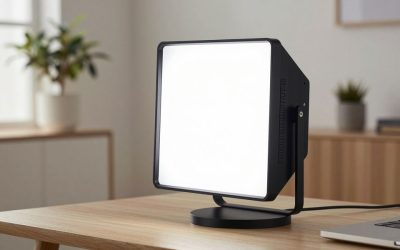
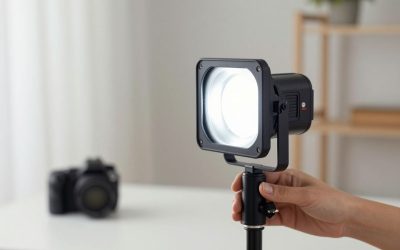
LED panel lights give more directional, controllable light than ring lights, making them the standard choice for multi-light video setups, interviews, and studio-style content.
Top Picks
NEEWER 2-Pack 480 LED Panel Kit
A two-panel bi-color LED kit that’s frequently recommended as a well-rounded starting point for small video studios.
- Bi-color (3200K–5600K) adjustable
- Includes stands and carrying bags
- Two-panel kit for key + fill lighting
Pros: Good value for a complete two-light kit; Bi-color range covers both warm and daylight looks; Stands and bags included reduce extra purchases.
Cons: Light output lower than COB-style panels; Plastic-heavy build compared to pro panels.
GVM Z100B
A 100W bi-color panel designed to expand — multiple units link together via a zipper-style connector without extra tools.
- 100W bi-color output
- Zipper mount system for linking multiple panels
- App and remote control options
Pros: Scales easily if you add more panels later; Strong output for the size; Flexible control via app/remote.
Cons: Higher price point than basic panel kits; Heavier, needs a sturdier stand.
Godox SL-60W
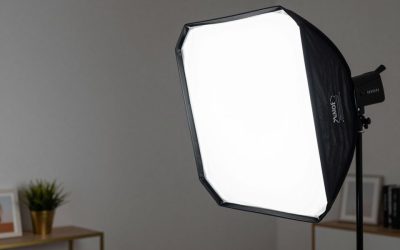
A COB LED monolight with a Bowens mount, giving access to a huge range of modifiers (softboxes, umbrellas, grids) beyond flat panels.
- 60W COB LED output
- Bowens mount for modifier compatibility
- Fixed daylight color temperature
Pros: Bowens mount unlocks modifier versatility; Strong, focused output for the wattage; Budget-friendly entry into COB lighting.
Cons: Fixed color temperature (daylight only); Needs a separate softbox/reflector for diffusion.
Aputure Amaran 200x
Aputure’s Amaran 200x is a bi-color COB-style panel light that steps up from basic flat LED panels with significantly higher output, useful for creators who need to light a larger space or punch through ambient daylight.
- Bi-color 2700K-6500K output
- Bowens mount for modifiers
- App and physical control options
Pros: Much brighter than flat panel kits; Bowens mount unlocks softboxes and modifiers; precise app control.
Cons: Higher price and larger footprint than basic panel kits; needs a stand rated for the extra weight.
Aputure Amaran 100d
Aputure’s amaran 100d brings the brand’s respected color accuracy to a budget-friendly daylight-balanced COB light, a step up from flat LED panels in output and build quality while staying well below Aputure’s professional Light Storm line in price.
- Daylight-balanced 5600K output
- Bowens mount for modifiers
- App and physical control
Pros: Strong color accuracy for the price; Bowens mount versatility; reliable app control.
Cons: Daylight-only (not bi-color) limits flexibility versus adjustable-temperature panels; needs a sturdier stand than flat panels.
Buying Tips
- Bi-color panels give more flexibility across different rooms and times of day than fixed-color-temperature lights.
- If you plan to grow your kit, a panel with a linking/expansion system (like GVM’s zipper mount) saves money long-term.
- A Bowens-mount COB light opens up cheap third-party softboxes and modifiers that flat panels can’t use.
- Check included accessories carefully — stands and carrying bags vary a lot between kits at similar price points.
- Bi-color panels (adjustable between warm and cool white) are worth the modest price premium over fixed-temperature panels, since they let you match ambient room lighting instead of fighting a mismatched color cast in post-production color correction. Gels (color-correcting film sheets) are a cheap way to match a fixed-temperature light to mixed indoor lighting if you are not ready to buy a second bi-color light.
For a basic two-light setup, think in terms of key and fill rather than buying two identical lights. A single brighter key light paired with a dimmer, softer fill light creates more dimension on camera than two equally bright flat panels, which tend to flatten facial features and reduce the sense of depth in the shot. Power source is worth planning around for panel lights specifically. Battery-powered panels offer more placement flexibility (no outlet needed) but require charging discipline, while AC-powered panels free you from battery anxiety during long sessions at the cost of needing to work near an outlet or extension cord, which matters for location shoots away from a fixed studio space. Mounting stability also deserves attention — a bright, heavier panel needs a stand genuinely rated for its weight, since an undersized stand can tip under a top-heavy light, especially on carpet or uneven flooring.
FAQ
How many LED panels do I need for a basic video setup?
Two panels (key + fill) cover most single-subject talking-head setups; a third as a backlight or background light is a common next upgrade.
Panel light or ring light — which is better for video?
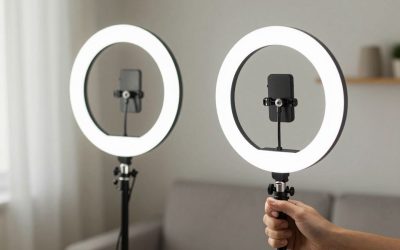
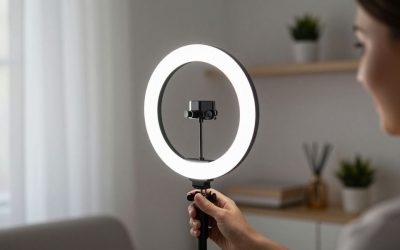
Panels give more directional control and work better in multi-light setups; ring lights are simpler and better suited to single-source, face-on lighting.
Do I need a Bowens mount light?
Only if you want access to softboxes, umbrellas, or grids beyond what’s built into a flat panel — otherwise a standard panel kit is simpler.
Do I need a Bowens mount light, or is a built-in diffuser panel enough?
Built-in diffusers are fine for casual talking-head setups, but a Bowens mount opens up softboxes, umbrellas, and other modifiers that shape light more precisely — worth it if you plan to grow your lighting setup over time rather than stick with one fixed look.
Is a daylight-only light less useful than a bi-color one for indoor video?
It can be, if your room mixes warm household bulbs with the light — a daylight-only source will look mismatched unless you also swap nearby bulbs to daylight-balanced ones or gel the light to match.
Neewer’s 2-pack is the easiest full-kit starting point, GVM’s Z100B rewards creators planning to scale up, and Godox’s SL-60W is the pick for anyone who wants modifier flexibility.
Write Your Review
No reviews yet. Be the first to share your experience!