Key takeaways
- Two softbox-diffused LED heads
- Adjustable brightness and stands included
- Carrying bag for transport
Softbox kits diffuse light through a fabric panel to soften shadows across a wider area than a bare LED panel — a classic setup for YouTube studios, product shoots, and multi-person interviews.
Top Picks
NEEWER 660 LED Softbox Lighting Kit
A two-light softbox kit combining LED panels with fabric softbox diffusers and stands in one package.
- Two softbox-diffused LED heads
- Adjustable brightness and stands included
- Carrying bag for transport
Pros: Complete kit — no extra diffusion accessories needed; Even, soft light good for interviews and product shots; Reasonable price for a two-light softbox setup.
Cons: Softboxes add setup/breakdown time versus flat panels; Stands are lighter-duty than pro-grade kits.
GVM 80W LED Video Light
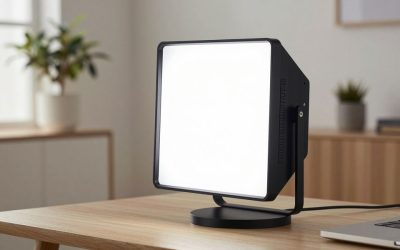
A foldable LED light with a built-in softbox-style diffusion panel, aimed at creators who want softbox-quality light without assembling a separate softbox.
- 80W output
- Foldable, flat-pack design for storage
- Built-in diffusion panel
Pros: Faster setup than traditional softbox-and-frame kits; Folds flat for easy transport/storage; Strong output for single-light setups.
Cons: Less diffusion spread than a full fabric softbox; Single-light kits need a second unit for fill.
Fovitec 2-Light Softbox Kit
A classic continuous-light softbox kit with umbrella-style fabric boxes on adjustable stands, popular for budget studio builds.
- Two softbox heads on stands
- Continuous (always-on) lighting, not strobe
- Carrying case included
Pros: Traditional softbox look and spread; Good value for a two-light continuous kit; Stands extend to typical studio heights.
Cons: Bulbs/LEDs in budget kits vary in color accuracy; Assembly required each session unless left set up.
LimoStudio Softbox Lighting Kit
LimoStudio’s softbox kit is a long-running budget option in this category, pairing two umbrella-style softboxes with continuous lighting bulbs and stands, aimed at buyers setting up a home studio corner for the first time.
- Two softbox heads with stands
- Continuous (always-on) lighting bulbs
- Carrying bag included
Pros: Very affordable for a two-light kit; easy to set up; good for beginners.
Cons: Lower build quality than NEEWER or GVM; bulbs run warmer than LED alternatives.
Emart 600W Softbox Lighting Kit
Emart is a budget studio lighting brand that competes directly with LimoStudio on price, with a two-softbox kit that frequently appears in beginner home-studio buying guides as a slightly sturdier alternative at a similar price point.
- Two softbox heads with stands
- E27 socket bulbs (swappable for LED)
- Carrying bag included
Pros: Sturdier stands than some ultra-budget kits; swappable bulb sockets let you upgrade to LED later; affordable.
Cons: Still a budget-tier build overall; umbrella-style softbox shape is less precise than rectangular panel softboxes.
Buying Tips
- Softboxes trade setup speed for broader, softer diffusion compared to flat panels or foldable alternatives.
- Continuous softbox kits (not strobes) are the right category for video — strobe/flash softbox kits are built for photography only.
- Leaving a softbox kit semi-assembled in a dedicated corner saves a lot of time if you record regularly.
- Check the stand height range against your ceiling and typical camera framing before buying.
- Continuous lighting (always on, like most kits in this category) is easier for video than strobe/flash lighting, but it also runs warmer and draws more power during long sessions — factor room temperature and circuit capacity into your setup if you are filming for extended periods. Check the socket type before buying if you plan to upgrade bulbs later — some budget kits use proprietary sockets that limit you to the manufacturer’s own replacement bulbs.
Softbox size changes the quality of light more than wattage does for most home studio setups. A larger softbox at a lower brightness produces softer, more flattering shadows than a smaller, brighter one, so when comparing kits, check softbox dimensions alongside bulb wattage rather than assuming brighter automatically means better. Assembly time is a practical factor worth weighing for softbox kits specifically, since umbrella-style softboxes need to be set up and broken down each session unless you have permanent studio space. If you shoot in the same spot regularly, that is a non-issue, but creators who shoot in different rooms or locations may find a simpler panel-style light kit faster to deploy repeatedly. Storage footprint matters too — softbox kits with stands and umbrella frames take up noticeably more closet or corner space than flat panel lights once broken down.
FAQ
Softbox or ring light for a YouTube studio?
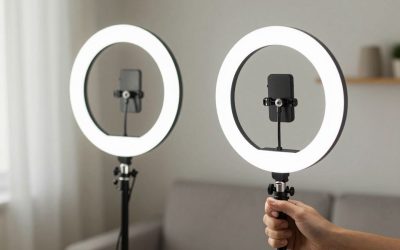
Softboxes give more control over multi-subject or multi-angle lighting; ring lights are simpler for single-person, face-on setups.
Can I use softbox lighting with a green screen?
Yes — even, soft light from softboxes helps reduce shadows and spill on a green screen, improving chroma-key quality.
How long does a softbox kit take to set up?
Expect 10–20 minutes for a first-time two-light softbox setup; foldable or pre-assembled alternatives cut this down significantly.
Are LED softbox kits better than traditional bulb-based ones?
LED-based kits run cooler, use less power, and typically last longer than traditional bulbs, making them the better long-term choice, though budget bulb-based kits like LimoStudio’s remain a reasonable low-cost entry point for occasional use.
Can I upgrade a bulb-based softbox kit to LED bulbs later without replacing the whole kit?
If the kit uses standard E27 sockets (common on budget softbox kits), yes — swapping in LED bulbs rated for the same socket is a cheap way to reduce heat and power draw without buying new softbox heads and stands.
Neewer’s 660 kit is the most complete beginner softbox package, GVM’s foldable 80W light trades a little diffusion for much faster setup, and Fovitec covers traditional budget studio builds.
Write Your Review
No reviews yet. Be the first to share your experience!